


『Kerosene Flow Meter DN200 Harbor Delivery Line Metrics』Related information(clamp on meter|electromagnetic meter|venturi meterrotameter|orifice meter|ultrasonic flow meter|mass flow meter|coriolis mass flow meter|coriolis flow meter|magnetic flow meter|magmeter flow meter|magflow flow meter|mag meter flow meter|electromagnetic flow meter|vortex flow meter|turbine flow meter|thermal mass flow meter|thermal flow meter|rotameter flow meter)

Kerosene Flow Meter DN200 Harbor Delivery Line Metrics: Direct Mass From Silver Instruments
Quick Answer: For kerosene custody transfer on a DN200 harbor line, Silver Instruments supplies the CMF-200 Coriolis meter that reads mass flow directly with ±0.1 percent accuracy and bidirectional output. The meter needs no straight run, no viscosity correction, and ships with ATEX Zone 1 certification. To get a quote, send us your pressure, temperature, flow range, and pipe flange rating.
Why a DN200 Kerosene Line Demands a Mass Meter
Kerosene moves between a bunker tanker and shore storage through an 8 inch line at rates that can reach 850,000 kg per hour in Middle Eastern and African ports. The product temperature at Jebel Ali often swings from 15 °C at night to 35 °C by midday. Volume-based meters from turbine or positive displacement designs report different totals for the same mass depending on the moment you read them. An operator in Mombasa told us his team ran daily density and temperature corrections for years before switching to Coriolis. That manual work disappeared. A mass meter does not care if the kerosene is hot or cold. It weighs the flow and gives you a number that matches the vessel bill of lading.
Critical Metrics for a DN200 Harbor Meter
Engineers evaluating a flow meter for this pipe size look at a concrete set of numbers. The flow span should cover 50,000 to 900,000 kg/h. That catches the slow topping-off phase and the full pump rate. Accuracy must hold better than ±0.15 percent of reading over the whole range. The pressure drop at maximum flow needs to stay under 1.2 bar, or the pump head climbs. The transmitter must offer 4-20 mA HART plus Modbus RTU so the terminal SCADA polls mass total and density without extra converters. The meter body must have ATEX Zone 1 or Zone 2 approval for a jetty environment. Silver Instruments CMF-200 units meet all of this with a 316L stainless steel tube rated for 100 bar at 120 °C and IP67 for the housing.
Coriolis Versus Turbine and Ultrasonic in Kerosene Service
Many older depots still use turbine meters with a head-mounted totalizer. Here is the catch. Kerosene viscosity shifts from about 2.1 cP at 10 °C to 0.9 cP at 40 °C. A turbine meter changes its K-factor with that shift. You can compensate with a flow computer, but that adds complexity and a new calibration loop. Ultrasonic clamp-on meters work for check metering on clean pipe surfaces, but a discharge line from a 150 kW pump vibrates and creates turbulent swirl that raises the uncertainty. We have seen this during site trials in Vietnam and Ecuador. A Coriolis meter cuts through those problems. It senses mass inertia inside oscillating tubes, not fluid velocity. No viscosity correction. No straight run. No strainer. Over a 5 year period a terminal in Senegal eliminated two filter cleaning stops per month by removing the turbine meter and installing a CMF-200.
Insta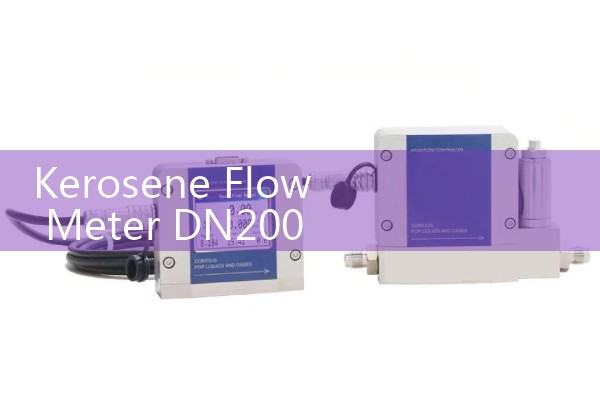
A DN200 Coriolis meter weighs over 280 kg. Support the adjacent pipe on both sides with proper clamps before bolting the flanges. Align the meter without force and then perform a zero calibration while the line is full of kerosene at zero flow. Residual pipe stress can shift the zero point by 40 kg/h or more on a large meter. The local display and HART handheld both run a step-by-step zeroing wizard from Silver Instruments. Place a check valve downstream of the meter when a positive displacement pump pushes to the ship manifold. This blocks reverse flow shock when the pump stops. Our meters leave the factory with a traceable calibration certificate valid 12 months from shipment.
Silver Instruments Recommended Model and Quotation Steps
The CMF-200 Coriolis mass flow meter is configured for DN200 kerosene harbor lines from the start. It measures up to 1,000,000 kg/h, handles media temperature from -50 °C to 150 °C, and comes with secondary pressure containment for leak detection on piers. Standard output signals are 4-20 mA HART, active pulse, and RS-485 Modbus. For legal fiscal transfer, we can include MID or OIML R117 approval. Instead of a generic price list, we size every meter to your actual operating data. Send us the expected normal and maximum flow in kg/h, operating pressure in bar, product temperature range, and the pipe flange rating such as ANSI 150 or 300. Write to [email protected] with the subject line “DN200 kerosene line” so our applications engineer retrieves your file fast. We return a full quotation including freight to your port within 2 working days.
Frequently Asked Questions About Kerosene Flow Meter DN200
Q: Can a vortex flow meter handle kerosene on a DN200 harbor line?
A: Vortex meters measure volume and require a consistent Reynolds number, which is hard to guarantee when pump speed and viscosity change. They also suffer from pipe vibration common on jetties. Coriolis is the reliable choice for mass-based trading.
Q: Do I need a straight pipe run before the CMF-200?
A: No, you can install the meter directly behind a 90-degree elbow or a pump outlet. Coriolis meters are unaffected by velocity profile distortion.
Q: How can I check the meter accuracy on site?
A: Compare the meter mass total against a weighbridge or truck scale over 3 or more deliveries. We also offer a portable master meter kit for on-site proving.
Q: Which communication protocol suits a terminal automation system?
A: Modbus RTU is best for polling mass total, density, and temperature from a PLC. Keep the 4-20 mA HART loop for analog backup. Both come standard on the CMF-200.
Q: Will the meter work for jet fuel and diesel too?
A: Yes, the same CMF-200 measures jet A-1, diesel, and heating kerosene without hardware changes. We set the density range at the factory based on your product list.
 Hot Blog
 Related AD
