


『ATEX Certified Oil Flow Meter: Meeting Strict European Safety Directives for Fuels』Related information(clamp on meter|electromagnetic meter|venturi meterrotameter|orifice meter|ultrasonic flow meter|mass flow meter|coriolis mass flow meter|coriolis flow meter|magnetic flow meter|magmeter flow meter|magflow flow meter|mag meter flow meter|electromagnetic flow meter|vortex flow meter|turbine flow meter|thermal mass flow meter|thermal flow meter|rotameter flow meter)

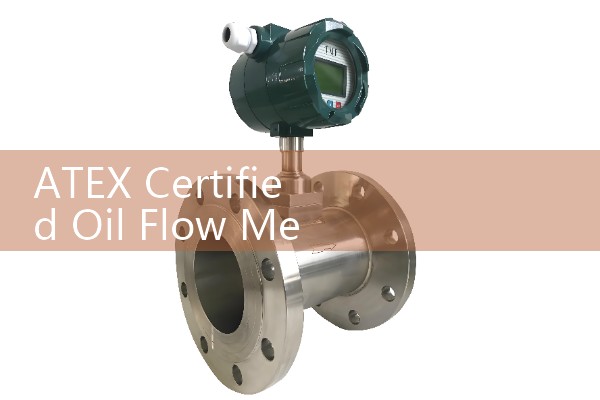
ATEX Certified Oil Flow Meter: Meeting Strict European Safety Directives for Fuels
Quick Answer: An ATEX certified oil flow meter is mandatory in any fuel transfer, storage or blending application where flammable vapours can form explosive atmospheres. Silver Automation Instruments supplies oval gear flow meters and Coriolis mass flow meters with full ATEX and IECEx certification for diesel, heating oil, fuel oil, and aviation kerosene. Send us your pipe size (DN25–DN100), fuel type, flow range in L/h, and installation temperature to get a direct quote.
Why ATEX certification matters for oil and fuel flow metering
When you pump diesel or heavy fuel oil, the surface of the liquid releases vapour. In a confined area like a tank farm, a fuel depot, or an engine room, this vapour mixes with air. Add an ignition source—a spark from a standard flow meter sensor—and the result is an explosion. ATEX Directive 2014/34/EU sets the safety requirements for equipment used in these potentially explosive atmospheres. It covers both electrical and non-electrical risks.
We have seen this requirement tighten significantly in export markets. A small fuel blending plant in Nigeria ordered 12 stainless steel oval gear flow meters from us last year, all needing ATEX Zone 1 certification because their blending room is classified as a continuous hazard area. Without the certificate, their insurance would not cover the installation. This is not a paperwork exercise; it is a site safety necessity.
Which ATEX oil flow meters do we supply and what makes them suitable for fuels
Silver Automation Instruments focuses on two meter types for volumetric fuel measurement under ATEX conditions. The first is the oval gear flow meter, and the second is the Coriolis mass flow meter. Both have specific ATEX approvals and match different fuel viscosities and flow ranges.
Oval gear meters excel with clean, low to medium viscosity fuels like diesel (viscosity around 3–5 cP at 20°C), biodiesel, light fuel oil, and kerosene. We offer sizes from DN10 up to DN80. For a typical fuel truck loading skid in Australia, a DN25 oval gear meter with PTFE rotors and a 4-20 mA HART pulse output handles 20 to 200 L/min. The ATEX II 2G Ex ia IIC T4 certification on the sensor loop means the meter stays safe even if the cable gets damaged. In practice, most engineers skip this part: you also need to check the temperature class. Fuel oil can reach 60 °C during transfer, and T4 allows a maximum surface temperature of 135°C, leaving a safe margin.
Coriolis mass flow meters come into play when you measure biofuels blended with additives, viscous heavy fuel oil (up to 380 cSt at 50°C), or applications needing density and temperature compensation in one device. Because Coriolis meters measure mass directly (kg/h or t/h), they give you accurate net volume even when fuel temperature changes from morning to midday. We have supplied a DN15 Coriolis meter to a food-grade oil blending company in Malaysia that needed ATEX Zone 2 certification around the mixing tank vent area. The meter has a local stainless steel display screen and outputs Modbus RTU as well as a pulse signal.
Materials and components that work with harsh fuel environments
Fuel oils are not chemically aggressive, but they can contain sulphur, water, and abrasives. Our ATEX oval gear meters use aluminium bodies for light fuels or stainless steel 316 for marine gas oil and applications near saltwater. Rotors are made from PPS or stainless steel, depending on viscosity. PPS rotors handle diesel and kerosene with low lubrication requirements. Stainless steel rotors suit heavier fuel oil where mechanical wear is a factor. The reed switch and proximity pickup are potted in ATEX-certified housings, connected via terminal boxes rated IP67. For a desalination plant in the Middle East that uses fuel oil for backup generators, we shipped four DN50 stainless steel oval gear meters with EPDM seals and an integrated PT100 temperature probe. The customer requested ATEX II 1/2G Ex db e ia IIC T6 Ga/Gb, which imposes very strict limits on enclosure pressure testing. Our engineering team verified the certification drawings before dispatch.
How the ATEX certification process works for oil flow meters (and what customers often get wrong)
When we talk to a new distributor in Vietnam or a project manager in Kenya, we find many assume that any “Ex rated” meter is automatically ATEX compliant. That is not correct. ATEX requires a Notified Body evaluation of both the product design and the production quality system. Silver Instruments holds production control audits, and our flow meters carry the CE mark with the six-digit notified body number after the Ex hexagon. We can provide the EU-type examination certificate, the dec
A common mistake is ordering a flow meter with a remote amplifier that is not ATEX rated. If the sensor is inside the hazardous zone and the amplifier sits in the safe area, the connection still needs Zener barriers or galvanic isolators with ATEX parameters. Our technical team always asks about the zoning plan and the cable gland type. An incorrectly specified cable gland can void the entire installation certification.
Where we see the highest demand for ATEX oil flow meters by region and industry
We track inquiry data every month. The top five countries requesting ATEX oil flow meters in the past 12 months are Vietnam, Thailand, United Arab Emirates, Nigeria, and Chile. The applications split into three main groups. First, fuel custody transfer at depots and terminals (overseas tanker loading). Second, burner fuel oil metering in boilers and furnaces for food processing plants and textile mills. Third, engine fuel consumption monitoring on diesel generator sets in remote mining camps and island resorts. A recent project in Papua New Guinea involved 30 ATEX oval gear meters on individual generator fuel supply lines. They used a DN15 size with a local digital display and a hard-wired pulse to the PLC, eliminating battery-powered displays that could create a spark risk.
Installation tips that extend ATEX fuel meter life
These are practical recommendations from our after-sales team, not textbook theory. Always install a Y-type strainer (80 mesh for diesel, 40 mesh for heavy oil) before the flow meter. One contaminated batch of biodiesel from a poorly cleaned tanker blocked three meters in a Brazilian customer installation within two hours. Strainers are cheap insurance.
Make sure the flow meter is properly grounded. Fuel flowing through a non-conductive PPS rotor can generate static electricity. We recommend a grounding wire between the meter body and the plant earth grid, especially in hot and dry climates like the Atacama region in Chile.
Avoid mechanical stress from connecting pipework. A DN80 oval gear meter can weigh 35 kg. Support the pipe on both sides, and use flexible connections if the installation is subject to vibration from pumps or compressors. Our service reports show that misaligned flanges cause rotor binding in about 15% of premature failure cases.
Frequently Asked Questions About ATEX Certified Oil Flow Meters
Q: What is the difference between ATEX Zone 1 and Zone 2 for a fuel flow meter?
Zone 1 is an area where an explosive atmosphere is likely to occur in normal operation. Zone 2 covers areas where it is unlikely and only for short periods. In a fuel storage plant, the pump room is typically Zone 1, while the area around a ventilated tank vent is Zone 2. The flow meter category changes: Category 2 equipment for Zone 1, Category 3 for Zone 2.
Q: Can I use a standard oval gear meter with an ATEX-approved sensor only, or does the whole meter need certification?
The entire instrument, including the mechanical housing, must meet ATEX requirements if installed in the hazardous area. A sensor with an Ex label on a grey body with no Ex marking is not a certified assembly. You need the certificate number covering the complete flow meter, not just the pickup.
Q: How often do ATEX flow meters need recalibration?
For fuel oil custody transfer, we recommend annual verification against a master meter or a weigh scale if density is critical. Coriolis meters hold calibration longer, often 12–18 months, whereas oval gear meters might drift 0.2–0.5% after a year on diesel with low lubricity. We offer re-calibration services at our factory, including ATEX integrity checks on the sensor enclosure.
Q: Are your ATEX oil flow meters also certified under IECEx for countries like Australia or Singapore?
Yes. Our flow meters carry both ATEX (EU) and IECEx (international) certifications. Australia accepts IECEx directly. In Singapore, the SCDF typically accepts IECEx plus the manufacturer’s declaration of conformity. We supply the complete documentation set for authority approval.
Q: What information do I need to provide to get an accurate price for an ATEX oil flow meter?
Give us these details: fuel type (diesel, bunker fuel, kerosene), flow rate range (min and max in L/h or m³/h), pipe diameter (DN), operating pressure (bar), maximum temperature (°C), hazardous zone classification (Zone 1 or 2, gas group), required output signal (4-20 mA, pulse, Modbus), and whether you need local display. Send this to our sales team and we return a datasheet with a fixed price within one working day.
 Hot Blog
 Related AD
