


『CPVC Flow Meter: Corrosive Acid and Chemical Utility Main Valves』Related information(clamp on meter|electromagnetic meter|venturi meterrotameter|orifice meter|ultrasonic flow meter|mass flow meter|coriolis mass flow meter|coriolis flow meter|magnetic flow meter|magmeter flow meter|magflow flow meter|mag meter flow meter|electromagnetic flow meter|vortex flow meter|turbine flow meter|thermal mass flow meter|thermal flow meter|rotameter flow meter)

CPVC Flow Meter for Corrosive Acid and Chemical Utility Main Valves
Quick Answer
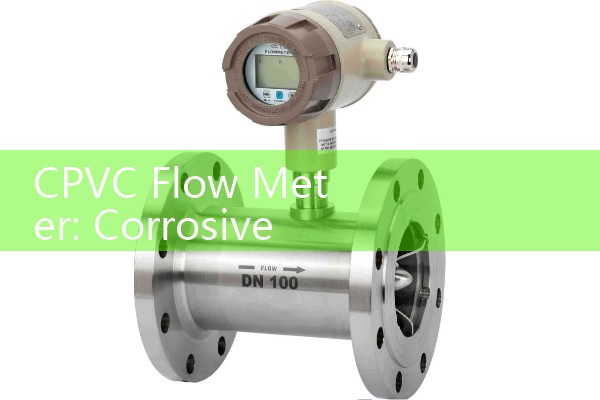
A CPVC flow meter fits acid lines and chemical utility mains where metal flow meters corrode fast. Silver Instruments supplies CPVC wetted flow meters from DN15 to DN300. Send pipe size, chemical name, temperature, pressure, and flow range for a direct model match.
Why CPVC Works in Corrosive Acid and Chemical Utility Lines
CPVC resists hydrochloric acid, sulfuric acid, phosphoric acid, sodium hypochlorite, and many caustic streams at ambient temperature. Metal flow tubes fail in these services. Stainless steel pits. Aluminum dissolves. CPVC holds.
In chemical utility main valves, the flow meter often sits upstream or downstream of an isolation valve. During valve opening, acid slugs hit the flow meter. A CPVC body or CPVC lined flow meter avoids a shutdown after one month.
Here is the thing. CPVC has a temperature limit. In practice, keep continuous acid service at 60 °C or below. Some installations run at 80 °C with derated pressure. For hot acid above 90 °C, select a PTFE lined or PFA lined electromagnetic flow meter.
Where CPVC Flow Meters Install in Chemical Plants
We see these points often on customer sites: acid dilution skids, chemical dosing headers, scrubber feed lines, wastewater neutralization lines, and bypass loops around main valves. A chemical utility main valve may carry 89 percent sulfuric acid to storage. The meter near the valve needs the same corrosion resistance as the valve and pipe.
Last year a customer in Vietnam asked about a flow meter for 30 percent hydrochloric acid at a pickling line. Stainless steel flow meters failed within three months. We supplied a DN40 CPVC body electromagnetic flow meter with titanium electrodes and 4-20 mA HART output. The meter has run without replacement since installation.
Flow Meter Types with CPVC Wetted Parts
For conductive chemicals, electromagnetic flow meters are the standard choice. A CPVC lined electromagnetic flow meter works for acids with conductivity above 20 µS/cm. We size them from DN15 to DN300. Electrodes can be Hastelloy C, titanium, tantalum, or platinum. For low conductivity solvents, use a CPVC body variable area flow meter or a CPVC paddle wheel flow meter, but check rotor material first.
For chemical utility main valves, electromagnetic models usually fit better than paddle wheel models. The full bore design does not add pressure drop. Main valve lines often run full pipe. That helps accuracy stay within ±0.5 percent of rate.
Most engineers skip this part. The grounding ring material matters as much as the liner. For plastic CPVC flow meters, use grounding rings in Hastelloy C or titanium. Avoid stainless steel rings in chloride acid service because chloride pitting starts quickly.
Key Variables for a CPVC Flow Meter Quote
We need real process numbers to match a model. Send the acid or chemical name and concentration. Include temperature in °C. Include pressure in bar. Include pipe size in DN. Include minimum and maximum flow range in m3/h or kg/h.
A proper quote also covers output. Most plants use 4-20 mA HART for DCS or PLC integration. Some need pulse output for batch chemical injection. ATEX Zone 1 options are available for solvent and acid storage areas.
For a chemical utility main valve, tell us the valve size and line size. They are not always equal. A reduced bore valve can create a jet that disturbs flow profile. In practice, install the meter at least 5 straight pipe diameters after the val
Model Selection for Common Acid Lines
For DN15 to DN50 acid dosing and small chemical utility lines, a compact CPVC electromagnetic flow meter works. We recommend a model with 4-20 mA HART, local display, and titanium electrodes. Accuracy ±0.5 percent of rate is normal.
For DN65 to DN300 chemical main headers, a remote display CPVC lined electromagnetic flow meter handles high flow and allows mounting near the main valve. Use Hastelloy C electrodes for sulfuric acid and hydrochloric acid. Use tantalum electrodes for 98 percent sulfuric acid at low flow.
For wastewater neutralization with weak acid or caustic, a DN50 to DN200 CPVC body electromagnetic flow meter with PTFE liner offers lower cost. This covers pH adjustment loops where conductivity varies from 200 µS/cm to 2000 µS/cm.
We have seen a paint manufacturer in Southeast Asia solve a repeat failure on a solvent and acid mixture line. They replaced a metal oval gear meter with a DN25 CPVC body electromagnetic flow meter. Maintenance dropped from once every six weeks to once every two years.
Installation Notes for Chemical Utility Main Valves
Install the CPVC flow meter in a straight run. Do not place it directly after a partially open butterfly valve. Five to ten straight diameters upstream and two diameters downstream is the safe rule for electromagnetic flow meters.
Chemical utility main valves often create vibration. Support the flow meter body. Do not use the CPVC flow meter as a pipe support. Vibration causes liner cracks and electrode signal noise.
Because CPVC is non metallic, the electromagnetic flow meter still needs proper grounding. Use grounding rings or grounding electrodes. Without a good ground, the meter reading becomes unstable when the pump starts or the main valve opens.
FAQ
What is a CPVC flow meter used for?
A CPVC flow meter measures corrosive liquids where metal flow meters fail. It is common in acid distribution, chemical dosing, scrubber lines, and wastewater neutralization.
Which chemicals can a CPVC flow meter handle?
CPVC handles hydrochloric acid, sulfuric acid, phosphoric acid, sodium hypochlorite, caustic soda, and many salts. Always check concentration and temperature. Strong oxidizing acids like hot nitric acid may need PTFE or PFA instead.
What is the maximum temperature for a CPVC flow meter?
Keep continuous acid service below 60 °C. Some applications run up to 80 °C with pressure derating. For higher temperatures, select a PTFE lined electromagnetic flow meter.
Can a CPVC flow meter sit next to a chemical utility main valve?
Yes, but give the meter enough straight run after the valve. We recommend 5 to 10 pipe diameters. Include valve size, line size, and flow range in your request.
What data does Silver Instruments need for a quote?
Send chemical name, concentration, temperature in °C, pressure in bar, pipe size DN, and flow range in m3/h or kg/h. Also state if you need 4-20 mA HART, pulse, or ATEX Zone 1.
Get a Direct CPVC Flow Meter Quote
Do not send a general contact request. Send your process numbers. We will reply with a model, electrode material, liner material, and price range for your application.
Tel: +86-135-1213-1526
Whatsapp: 86-135-12131526
WeChat: +86 13512131526
Common models ship from stock for DN15 to DN100. Larger sizes ship in 7 to 15 days.
 Hot Blog
 Related AD
