


『Ethanol Fuel Flow Meter Explosion-Proof Wiring Requirements』Related information(clamp on meter|electromagnetic meter|venturi meterrotameter|orifice meter|ultrasonic flow meter|mass flow meter|coriolis mass flow meter|coriolis flow meter|magnetic flow meter|magmeter flow meter|magflow flow meter|mag meter flow meter|electromagnetic flow meter|vortex flow meter|turbine flow meter|thermal mass flow meter|thermal flow meter|rotameter flow meter)

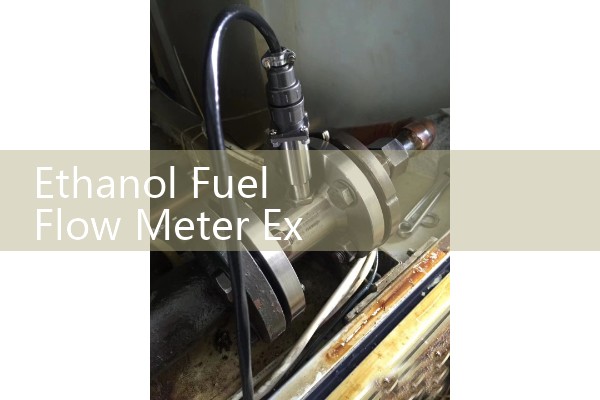
Ethanol Fuel Flow Meter Explosion-Proof Wiring Requirements
Quick Answer: Ethanol vapor forms explosive mixtures with air. Any flow meter installed in a hazardous zone must use explosion-proof wiring methods certified for the area classification. Silver Automation Instruments supplies flow meters with ATEX Zone 1 or Zone 2 approvals and guides you through proper cable entry, grounding, and signal isolation.
Why Explosion-Proof Wiring Matters
Ethanol fuel is highly flammable with a flash point around 13 degrees Celsius. During transfer, blending, or storage, ethanol vapor can accumulate in enclosed spaces. A single spark from a loose terminal or poor cable gland can ignite the vapor. This is why the wiring installation is as critical as the flow meter itself.
Hazardous Area Classification for Ethanol
Most ethanol handling areas fall under ATEX Zone 1 or Zone 2 (IECEx) or Class I Division 1/2 (NEC). Zone 1 means an explosive atmosphere is likely to occur during normal operation. A flow meter installed near an ethanol pump or inside a blending skid typically requires Zone 1 certification. Zone 2 applies where flammable atmosphere exists only under abnormal conditions. In practice, many plants in Brazil and Southeast Asia specify ATEX II 2G Ex d IIC T4 for their ethanol fuel metering.
Wiring Methods for Explosion-Proof Flow Meters
There are two common protection concepts: flameproof (Ex d) and intrinsically safe (Ex i). A flameproof enclosure contains any internal explosion and prevents it from igniting the surrounding atmosphere. You must use certified flameproof cable glands with the correct thread type (M20 or NPT). The gap between the gland and the cable must be sealed with a compound that matches the flammability group. Many installers in the Middle East forget this step, and it is the number one cause of failed inspections.
Intrinsically safe wiring limits the energy to the flow meter circuit so that no spark or thermal effect can cause ignition. This method needs an isolating barrier installed in a safe area. The loop must be Earth-free, and the wiring must follow strict inductance and capacitance limits. For ethanol, we often recommend a Coriolis mass flow meter with an Ex d housing for the sensor and a remote transmitter placed in a safe or Zone 2 area. This reduces the amount of explosion-proof wiring on site.
Cable and Gland Selection
Use armoured cable for mechanical protection in ethanol plants. The outer sheath material must resist ethanol and UV if installed outdoors. We have seen cable jackets swollen and cracked after six months because a biodiesel plant in Vietnam used PVC cable near an ethanol storage tank. The correct cable type is typically SWA (steel wire armoured) with an EPDM or rubber sheath. Always verify chemical compatibility charts.
Cable glands must match the explosion protection type. For Ex d, use a barrier gland that seals the inner cores. For Ex e increased safety, a simpler compression gland may be acceptable for the terminal box, but the main sensor housing still requires Ex d entry. Do not use plastic glands. Brass or stainless steel (AISI 316) is standard. Galvanic isolation helps prevent stray currents.
Grounding and Equipotential Bonding
Explosion-proof wiring must include a dedicated Earth conductor. The flow meter body needs a bonding connection with resistance below 0.1 ohm to the plant grounding grid. A separate protective Earth terminal is provided inside the terminal box. Do not use the process pipe as the sole Earth path, even if it is metallic. Because static electricity from ethanol flowing through a non-conductive lining can create a spark risk unless the meter is properly bonded. We recommend a grounding ring for meters with PTFE liners, like certain electromagnetic flow meters used for ethanol blending.
Signal Wiring and Outputs
Common signal outputs for ethanol fuel flow meters are 4-20 mA HART, pulse, and Modbus RTU. The wiring must comply with the Ex protection method. For an intrinsically safe loop, you need an isolate
Commissioning and Inspection
Before energizing the loop, check that all gland connections are tight. Verify the flamepath gaps on the Ex d enclosure are not painted or corroded. A 0.1 mm paint layer can change the explosion protection property. In a recent inspection at a bioethanol plant in the Philippines, this small detail caused a delay. Use a torque wrench per the manufacturer specification.
After wiring, an instrument loop test with a HART communicator verifies that the flow meter is transmitting correctly. Document the test results. Many local safety authorities ask for loop check records before issuing a Permit to Work.
Choosing the Right Flow Meter for Ethanol
Ethanol fuel metering requires a meter that handles low viscosity (around 1.2 cP at 20 degrees Celsius) and provides high accuracy. Coriolis mass flow meters work well for mass flow, density, and temperature output. They are available with ATEX Ex d or combined Ex d and Ex e protection. Electromagnetic flow meters can measure ethanol-water blends but require a conductive liquid (over 5 microsiemens per centimeter). Pure ethanol has low conductivity, so magmeters are not suitable for pure ethanol. Ultrasonic flow meters offer a non-intrusive option. We have supplied a clamp-on ultrasonic flow meter to a distillery in Australia for ethanol transfer between storage tanks, where the client wanted to avoid any pipe penetration.
For custody transfer, a turbine flow meter with HART can be a cost-effective choice, but it needs upstream and downstream straight pipe runs and a strainer. The local distributor usually prepares the pipe spool. We can supply the meter with the explosion-proof pickup coil (Ex d) and the customer mounts it in the field.
Send Your Project Details for a Wiring Diagram
Every site is different. Provide your ethanol flow measurement application details, and we will supply a wiring recommendation. Send us your pressure in bar, temperature in degrees Celsius, pipe size in DN, and the required flow range in kg/h. Also specify the hazardous zone classification: Zone 1 or Zone 2, gas group, and temperature class. Our engineers at Silver Automation Instruments will select the right flow meter and prepare a typical installation drawing. Write to us through the form on our site or email directly. We supply to distributors in Southeast Asia, the Middle East, and Latin America.
FAQ
Can I use a standard cable gland for an ATEX Zone 1 ethanol area? No. You need a certified flameproof cable gland with the correct thread size and cable bedding seal. Standard industrial glands do not meet the Ex d requirements.
What is the difference between Ex d and Ex i for ethanol flow meters? Ex d is flameproof, containing any explosion. Ex i is intrinsically safe, limiting the energy. Ex i wiring is simpler but needs an isolating barrier. Ex d is common for higher power flow meters like Coriolis.
Does a flow meter need bonding if the pipe is metallic? Yes. You still need a dedicated Earth bonding connection from the flow meter body to the plant ground. Do not rely on the pipe flanges due to gasket insulation and coating.
Which flow meter type is best for ethanol custody transfer? Coriolis mass flow meters are often the first choice for high accuracy and direct mass measurement. Turbine meters with pulse output are a lower-cost option if the ethanol is clean.
How do I check if the wiring is correct before startup? Inspect all gland entries, verify the Earth resistance, and perform a loop test with a HART communicator. Check the flameproof gap dimensions with a feeler gauge. Document all checks.
 Hot News
 Related AD
