


『Flow meter inner diameter』Related information(clamp on meter|electromagnetic meter|venturi meterrotameter|orifice meter|ultrasonic flow meter|mass flow meter|coriolis mass flow meter|coriolis flow meter|magnetic flow meter|magmeter flow meter|magflow flow meter|mag meter flow meter|electromagnetic flow meter|vortex flow meter|turbine flow meter|thermal mass flow meter|thermal flow meter|rotameter flow meter)

What are the measurement ranges of vortex flowmeters?
1、 Vortex flowmeter is a flowmeter based on the Karman vortex principle for measurement. It can measure liquids and gases, and is also very economical. The diameter is generally DN10-- DN1000. With temperature and pressure compensation, it can accurately measure gas or steam flow, and has a wide range of applications;
2、 Vortex flowmeter can only measure volumetric flow rate, usually in m3/h (cubic meters per hour), with instantaneous flow display and cumulative flow display;
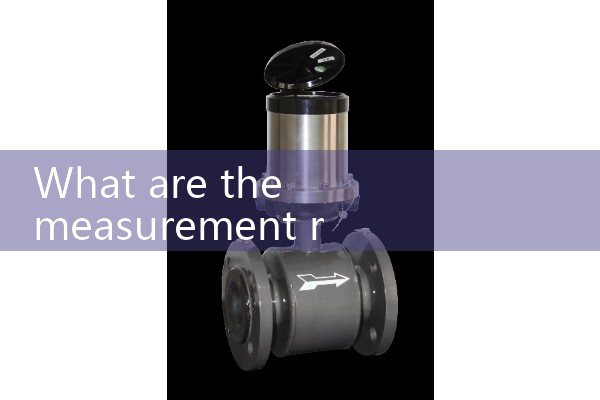
3、 The measurement range corresponding to electromagnetic flow meters of different diameters is: liquid measurement: (unit: m3/h): DN15
1.2-6; DN20
1.5---10; DN25:2---16; DN32
1.8---20; DN40:2.5---25; DN50:3.5---40; DN65:7.5---70; DN80:12---130; DN100:18---160; ..... Gas measurement: (unit: m3/h): DN15:4--28; DN20:6---40; DN25:8---50; DN32:15---150; DN40:18---180; DN50:25---480; DN65:50---500; DN80:80---800; DN100:120---1200; ..... For more detailed information, please refer to the technical article on the website of Shandong Qiangqiang Automation Technology Co., Ltd.... Www.qszdh.com
2. Electromagnetic flowmeter parameters
The main parameters of an electromagnetic flowmeter include nominal diameter, accuracy, nominal pressure, electrode form and material, lining material, output signal type, working voltage, shell protection level, and electrode inner diameter. Here is a detailed description of these parameters Nominal diameter: This is the standard diameter of the electromagnetic flowmeter pipeline, usually expressed in DN (nominal diameter), measured in millimeters. It has multiple specifications, such a
10, DN1
5, DN20, etc. The appropriate specifications can be selected according to the actual size and flow requirements of the pipeline to ensure the normal installation and accurate measurement of the flowmeter.
2. Precision: The accuracy of an electromagnetic flowmeter represents the degree of closeness between the measurement result and the true value, usually expressed as a percentage. For example, the measurement accuracy of a certain electromagnetic flowmeter is ± 0.5%, which means that the error between the measured value and the actual value is within ± 0.5%. High accuracy is the key to ensuring measurement accuracy. 3. Nominal pressure: This refers to the maximum working pressure that the flowmeter can withstand. Electromagnetic flow meters of different specifications have different nominal pressure values, such as 1.6MPa, 1.0MPa, etc. When choosing, the appropriate nominal pressure level should be selected based on the actual working pressure. Electrode form and material: The electrode is the part of the electromagnetic flowmeter that directly contacts the measured fluid, and its form and material selection have a significant impact on measurement accuracy and stability. Common electrode forms include standard type, scraper type, etc., and the electrode material needs to be compatible with the measured fluid, such as stainless steel, Hastelloy alloy, etc.
5. Lining material: The lining is a layer of protective material located on the inner wall of the flowmeter pipeline, used to protect the electrode and pipeline from fluid corrosion or wear. Common lining materials include polytetrafluoroethylene (PTFE), polyurethane, etc., which have excellent corrosion resistance and wear resista
 Hot News
 Related AD
