


『Pipeline flowmeter』Related information(clamp on meter|electromagnetic meter|venturi meterrotameter|orifice meter|ultrasonic flow meter|mass flow meter|coriolis mass flow meter|coriolis flow meter|magnetic flow meter|magmeter flow meter|magflow flow meter|mag meter flow meter|electromagnetic flow meter|vortex flow meter|turbine flow meter|thermal mass flow meter|thermal flow meter|rotameter flow meter)

1. What are the requirements for installing signal pipelines for measuring gases, liquids, and vapors using differential pressure flow meters? Differential pressure flow meters have different requirements for the installation of signal pipelines when measuring gases, liquids, and vapors. When measuring gas flow, the pressure tap should be opened in the upper half of the pipeline, and the differential pressure transmitter should be installed at a position higher than the orifice plate. If this requirement cannot be met, a condenser and drain valve must be added at the lowest point of the pressure system to ensure that there is no liquid in the pressure pipe. When measuring liquid flow, the pressure tap should be opened in the lower half of the horizontal pipeline, and the differential pressure transmitter should be installed under the orifice plate. When the differential pressure gauge has to be placed above the throttling device, a vent valve should be added at the highest point of the pressure pipe to ensure that there is no gas in the pressure pipe. When measuring steam flow, the pressure measuring hole should be opened on the horizontal diameter of the pipeline, and a condenser must be installed near the pressure hole of the orifice plate. After the steam condenses here, it fills the pressure pipe and separates the differential pressure transmitter from the high-temperature steam. Overall, when installing signal pipelines, differential pressure flowmeters need to ensure that the pipelines are dry and clean, the pipeline length is consistent, the pipeline is unobstructed, the pipeline is on the same horizontal plane, and the throttling device and differential pressure transmitter are correctly installed. 2.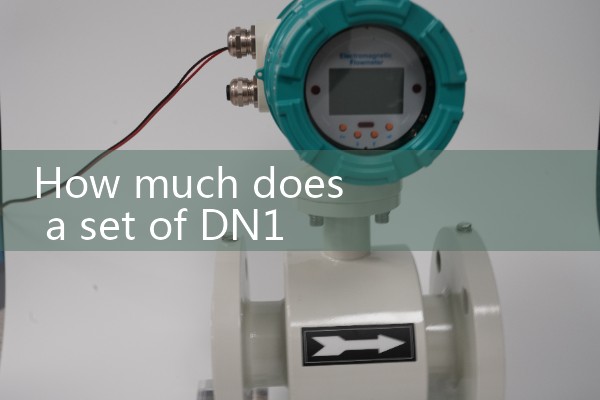
. The fire pipeline flowmeter is an electromagnetic flow meter, which is widely used and has good performance. It is widely used for liquid measurement and can work stably for a long time in various harsh environments. A return pipe is a pipe that connects the pure end of a hot water pipe with a hidden strip at the end and extends to the side of the hot water pipe of a water heater, which is called a return pipe. Why are the flow rates of two flow meters on the same pipeline more than four times different?
The possible reasons for the flow rate difference of more than 4 times between two flow meters on a pipeline are as follows: different flow meter specifications: different pipe diameters: If the pipe diameters of two flow meters are different, for example, one is DN50 and the other is DN32, under the same pressure, their flow rates will have significant differences.. This is because the larger the pipe diameter, the larger the volume of fluid that can pass through, resulting in higher flow readings. Different installation locations or conditions for flow meters: Silent installation location: The installation location of the flow meter may affect its reading. For example, if one of the flow meters is installed at a bend in the pipeline or in a location with other fluid dynamics disturbances, its reading may be affected. Fluid conditions: The temperature, pressure, viscosity, and other conditions of the fluid can also affect the reading of the flowmeter. If the fluid conditions at two flow meters are different, their readings may also have significant differences. Internal leakage or malfunction of flow meter
 Hot Product
 Related AD
